

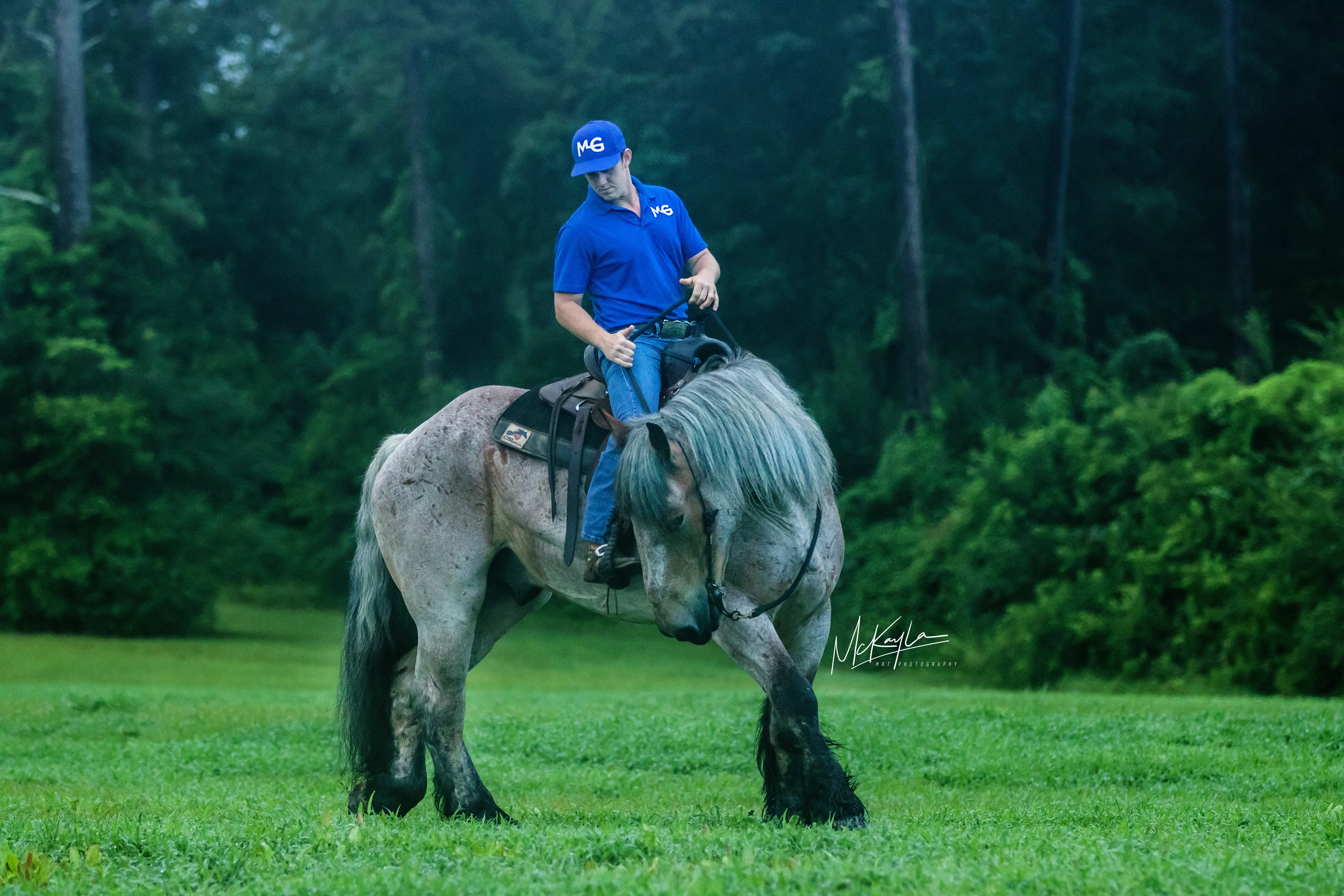
In this blog, we'll discuss the techniques and benefits of advanced flexing in motion, providing you with the tools to transform your horse's responsiveness and behavior.
Watch The Video Here Or Continue Reading Below!
Introduction
It's great to be back with another post, and today, we’re diving into a highly requested topic: advanced flexing in motion. If you've been wondering how to take your horse training to the next level, you're in the right place. We’ll explore what advanced flexing is, why it’s crucial, and how you can train your horse to master it.
Understanding Basic Flexing
One-Handed Flexing: The Foundation
In the world of horsemanship, we start with one-handed flexing. This foundational technique is part of the respect series, teaching your horse to respond to simple commands using just one hand. It's all about getting your horse to look left or right and establishing a basic level of communication and control. Master this step before moving on to more advanced techniques.
Transitioning to Advanced Flexing
Two-Handed Flexing: The Next Level
As your horse becomes more advanced, you’ll transition to two-handed flexing. This method involves using both hands to guide the horse, aiming to achieve "breaking from the poll," where the horse drops its head. This posture is key to maintaining control and preventing unwanted behaviors like bucking or crow hopping.
Implementing Flexing in Motion
Techniques for Flexing While Moving
One technique I often use is placing the rein below my knee as I move forward. By flexing the horse to my hip on one side and then releasing, I ensure the horse’s head stays down. This rein position helps maintain a low vantage point, applying downward pressure that encourages the horse to stay relaxed.
Direct Contact and Hand Positioning
Halters and snaffles work through direct contact, meaning the position of your hands directly affects the horse’s head position. Keeping your hands low ensures that the pressure is directed downward, helping your horse remain calm and responsive.
Practical Applications
Flexing from Different Angles
When switching sides, keep the slack below your knee. This prevents the rein from giving too much, allowing you to effectively ask for flexion. The horse finds comfort between your hands where the release occurs, promoting a soft and responsive head position.
Addressing Behavioral Issues
Advanced flexing can be transformative for horses prone to bucking or crow hopping. By softening the horse’s face and ensuring it’s comfortable with the pressure, you reduce the likelihood of these behaviors. This approach can turn a challenging horse into a compliant and manageable one.
Real-World Example
Success Story: From Bucking to Bliss
Consider a horse that came to us with a habit of holding its head high and bucking. Through consistent training and advanced flexing techniques, we softened the horse’s face. Now, even with spurs, the horse is manageable and responsive. This transformation highlights the effectiveness of advanced flexing.
Speed and Flexibility
Maintaining Flexion at Different Speeds
As your horse’s training progresses, it’s crucial to maintain flexion at various speeds. Even at a canter, the horse should remain flexible and responsive. Keeping the horse off-center prevents it from stiffening up as it moves faster.
The Goal of Advanced Flexing
The ultimate aim is for the horse to flex at any speed. In the show arena, you’ll see horses cantering while maintaining a flexible, responsive head position. Achieving this level of control is possible through consistent practice of advanced flexing techniques.
Conclusion
Advanced flexing in motion is a powerful tool in your horsemanship arsenal. By using two hands instead of one and focusing on getting the horse off-center, you can achieve a level of control that makes your horse easier to handle and more compliant. Try these techniques at home, and you’ll see significant improvements in your horse’s behavior and responsiveness.
Check out more free training resources HERE!
HOW SAFE IS YOUR HORSE?
Can you control every part of his body, even if he’s scared or unsure?
There are some specific things that I believe every horse should be able to do before he or she is considered completely safe to ride. So that you can see how safe your horse is to ride, I’ve created this FREE Horse Safety Checklist.

Comments