

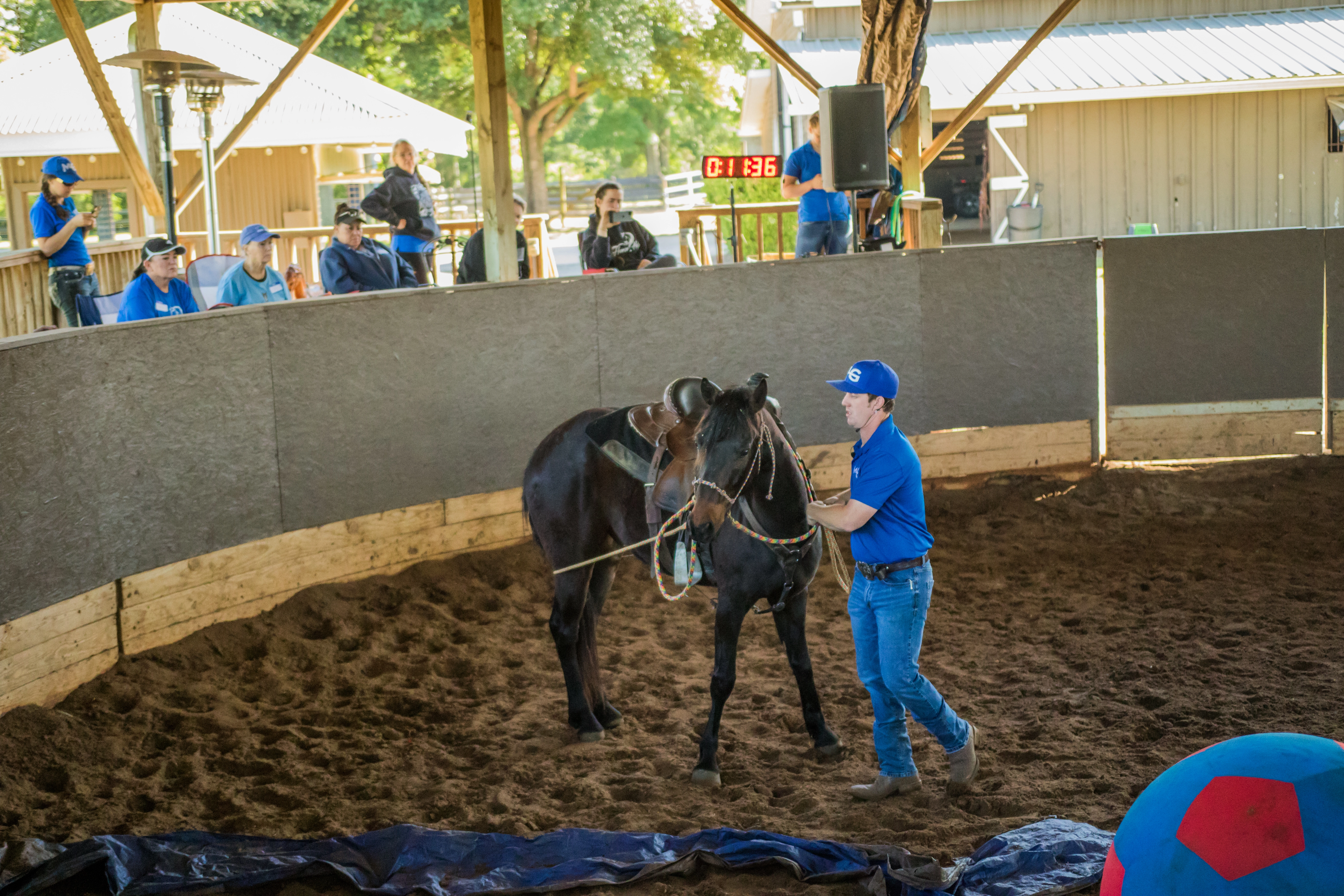
Now we're talking about mastering horse obstacles with confidence by understanding and responding to your horse’s natural instincts.
Watch The Video Here Or Continue Reading Below!
Introduction
Navigating obstacles on horseback can be challenging. However, understanding and responding correctly to your horse’s natural instincts can make a significant difference. This guide provides essential tips for handling common situations and ensuring a smoother ride over any obstacle.
Release the Reins
Less Control, More Trust
When your horse encounters an obstacle, your first instinct might be to grab more reins. Instead, try releasing the reins. Sit back deeper in the saddle, bring your heels down, and allow your horse some freedom. Too much control can make your horse feel trapped and trigger a flight response.
Handling Fear Reactions
If your horse bucks, rears, or runs away due to fear, it's likely because you're holding too tight on the reins. Remember, a horse’s natural reaction to fear is to run. By releasing the reins, you help your horse feel less restricted and more willing to face the obstacle.
Turning Into Fear
Controlled Direction
When your horse moves off in fear, gently pull and release the reins to guide them back, always turning them towards the fear. This method ensures that you maintain control over your horse’s head, making it impossible for them to refuse the obstacle.
Developing a Sticky Seat
Riders who sit forward often fall off, while those who sit back maintain better balance. This technique is used by skilled riders, such as cutters, who can even ride bareback without falling off. Developing a sticky seat involves sitting back, relaxing, and responding calmly to sudden movements.
Facing Obstacles Head-On
Avoiding the Balloon Effect
Approaching an obstacle with too much pressure can overwhelm your horse. If you yank on the reins and then push your horse forward, it’s like blowing up a balloon until it pops. Instead, calmly guide your horse, making the pressure feel manageable and less frightening.
Consistency Across Breeds
These techniques work with all horse breeds, from ponies to warmbloods. Starting with ground training and ensuring your horse is soft in the face makes saddle work more manageable. Facing large, wide obstacles can be easier than smaller ones, as they provide a more obvious target for your horse to focus on.
Mental Over Physical Pressure
Watching for Answers
Pressure isn’t about physical force; it’s about creating a mental challenge for your horse. Observe your horse to see if they are looking for the answer to the problem you present. If kicking doesn’t work, stop and reassess. Your goal is to guide your horse to find the solution on their own.
Using Lead Ropes for Dull Horses
For less responsive horses, a lead rope with a popper can provide the necessary motivation. Pulling and popping the hindquarters can prompt a reaction, but always ensure your horse’s head is bent to avoid fear responses.
Bigger Obstacles Are Easier
Large Water Bodies vs. Puddles
It's easier to get a horse into a lake than a puddle. Larger obstacles provide fewer options for avoidance, making it simpler to apply consistent pressure and guide your horse through.
Meaningful Releases
Horses learn from the release of pressure, not the pressure itself. Ensure that every release is purposeful, teaching your horse that they’ve done something right. This consistent approach turns every interaction into a training opportunity.
Never Turn Away
Facing Fear
Never turn your horse away from an obstacle they fear. Turning away teaches your horse that avoidance is an option. Instead, always face the obstacle, even if it means taking a longer route. This approach builds your horse’s confidence and reinforces that facing fear is the only option.
Creating a Pointer Dog Effect
By consistently turning into the fear, your horse will start to think before reacting. They’ll freeze instead of fleeing, giving you time to assess and manage the situation calmly.
Conclusion
Share Your Experiences
Thank you for watching our video and reading our guide. We invite you to share your feedback and any problems you’re encountering. Let us know what additional topics or challenges you’d like us to cover. Our goal is to help you bond with your horse and achieve your equine goals.
Check out more free training resources HERE!
HOW SAFE IS YOUR HORSE?
Can you control every part of his body, even if he’s scared or unsure?
There are some specific things that I believe every horse should be able to do before he or she is considered completely safe to ride. So that you can see how safe your horse is to ride, I’ve created this FREE Horse Safety Checklist.

Comments